Flat pedals: Flat pedals are your 'standard' bike pedal with a flat surface and no interface to clip your shoe into it. Sometimes flat pedals will include cages, but we won't be going into cages in this article!
Why are flat pedals better?
Flat pedals provide several benefits when descending; better power transfer through your cranks, greater range of foot position and rotation, ease of adjusting heels down, quick and easy removal of your feet from the pedals. Good body position, range of motion and angulation are maximized with flat pedals.
Are flat bike pedals better?
Although sometimes overlooked, the best flat pedals can be a great choice in a range of circumstances. Flat pedals or platform pedals make shorter rides in ordinary shoes far easier and more comfortable than trying to get by using sneakers on clipless pedals.
Do flat pedals make a difference?
Some scientific research suggests there's no difference in pedalling efficiency for lower intensity riding: a pair of trainers on flat pedals was as efficient as clipped in cycling shoes when tested on a stationary bike.
Is it OK to use flat pedals on a road bike?
You can ride a road bike with flat pedals without difficulties and still experience a great bike ride. Flat pedals on a road bike can create a larger surface area, making them easier to use than clipless pedals, and you can use any type of shoe, including trainers.
20 related questions foundCan I use cleats on flat pedals?
If you ride casually and you're cycling short distances, a flat rubber pedal works fine. This is the standard bicycle pedal that has a flat surface and is compatible with any kind of shoe. If you use clipless shoes on flat pedals, they probably won't offer you as good a grip as wearing flat-soled rubber shoes.
Why do bikes not come with pedals?
This is because most brands have a budget to spend on fitting out their bikes with components, so they often try and focus the budget on things like drivetrain, brakes, and suspension. So not having to provide pedals helps marginally keep costs down.
How long do flat pedals last?
They usually last 3,000-5,000 miles. Your pedals, shoes, and cleats must all be designed for the same type of clipless system. They are not cross-compatible. I'll talk more about the different types of clipless systems later.
Are bike shoes worth it?
Cycling shoes provide benefits that make them well worth their cost. They allow for a more comfortable, fluid ride that can't be matched by ordinary sneakers. They do this by allowing riders more stability in slick conditions and more power when it's time to drop the hammer.
Can you ride a road bike without cleats?
A road bike can be cycled effectively without cleats and clipless pedals. A regular trainer with flat pedals will feel comfortable and provide sufficient power to have a great bike ride. In fact, you will only lose approximately 5% wattage/power using a training shoe to shoe with cleats.
Do all pedals fit all bikes?
To simply answer: No, bike pedals are not universal. Not only visually or for their different purposes for various cycling disciplines, but also internally. Bicycle pedals mainly have two sizes: 9/16” and ½”. The 9/16” is the more standard version of pedals and covers almost all subtypes.
What is the difference between clipless and SPD pedals?
SPD stands for Shimano Pedaling Dynamics, which is a design of clipless bicycle pedals and associated cleats first released by Shimano in 1990. SPD pedals are a product of a specific brand, but like Kleenex and tissues, they are so popular they have become synonymous with the entire product category of clipless pedals.
Are flat pedals less efficient?
Clipless pedals are said to be more efficient because you can 'pedal circles' rather than stamping up and down. It's persuasive: with your feet locked in, it feels like you're powering through the whole pedal stroke.
What are the different types of bike pedals?
Bicycle pedals will typically come in three distinct styles; clip, clipless, or platform.
How do you jump with flats?
To jump with flat pedals, first “preload” the front end of the bike by lowering your chest closer to the handlebars. Next, use your arms and shift your body back to lift up the front wheel. Then using a scooping motion on the pedals, shift your weight forward and push forward on the bars.
Where should your feet be on bike pedals?
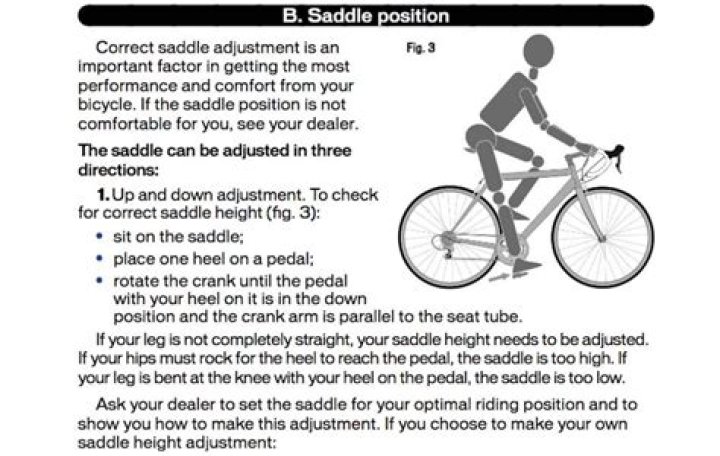
Position. You should position your foot over your bicycle pedal so that the ball of your foot, also called the metatarsal, is directly over the pivot arm of the pedal. The pedal's pivot arm is the axis, which runs through the body of the pedal.
How do I choose bike shoes?
How Bike Shoes Should Fit
- Choose bike shoes that fit comfortably from the start. ...
- All shoes should allow your toes enough room to wiggle slightly.
- Your arch should be snug and supported.
- Your heel should not slide up and down.
What are clipless pedals?
What are Clipless Pedals? Clipless pedals are actually a system comprised of special pedals and cleats, devices included with the pedals that attach to the soles of clipless cycling shoes. This means that you'll need to select pedals and shoes in order to upgrade to a clipless system.
How often should I change my cleats?
Speedplay recommends replacing your cleats every 3,000 to 5,000 miles, but as mentioned, it depends on your riding style, conditions and how much you walk around in them.
Are bikes sold without pedals?
Many riders have their own preferences with it comes to pedals and even shoes. Bicycles are not sold with pedals as riders like to attach their own and it helps keep the cost of the bike down.
Why do people sell mountain bikes without pedals?
Most cyclists tend to stick with one of these standards across all of their bikes, so they don't have to have multiple sets of shoes. Thus higher-end bicycles typically are sold without pedals so that the customer can select the style of pedal that matches their existing shoes.
Do bikes come without pedals?
Generally, you will find that a mid to high-range mountain bike will show up without any form of pedals, as they expect you only to buy a new set or use your existing pedals from your old bicycle. You may find that your mountain bike comes with basic flat pedals.