Why are convenience stores important?
Convenience stores have stable revenue streams because of the nature of their business. People stop by these stores because they are convenient, having what they need to get through their day. Many locations offer gasoline for sale as well, along with propane or kerosene, which generates more local economic activity.
What is the importance of convenience?
Whether or not your offerings are truly convenient will go a long way in helping you better serve your customers. The easier it is for them to get needed information and complete a purchase with you, the happier they’ll be. In the long run, convenience may just decide your ability to grow your business.
What is convenience buying behavior?
Convenience comes with a cost — and consumers are willing to pay it. Time is money, and shoppers are willing to pay for a convenient experience. Consumers are willing to pay more when it comes to groceries, personal care items and pet supplies.
Why do customers want convenience?
So what does convenience really mean to your customers? Some businesses view customer convenience as “making it slightly easier” to buy their products or to do business with them. Wrong! Customers want ultimate ease of purchase in all parts of the buying continuum – not just the main transaction or point of sale.
What is a convenience item?
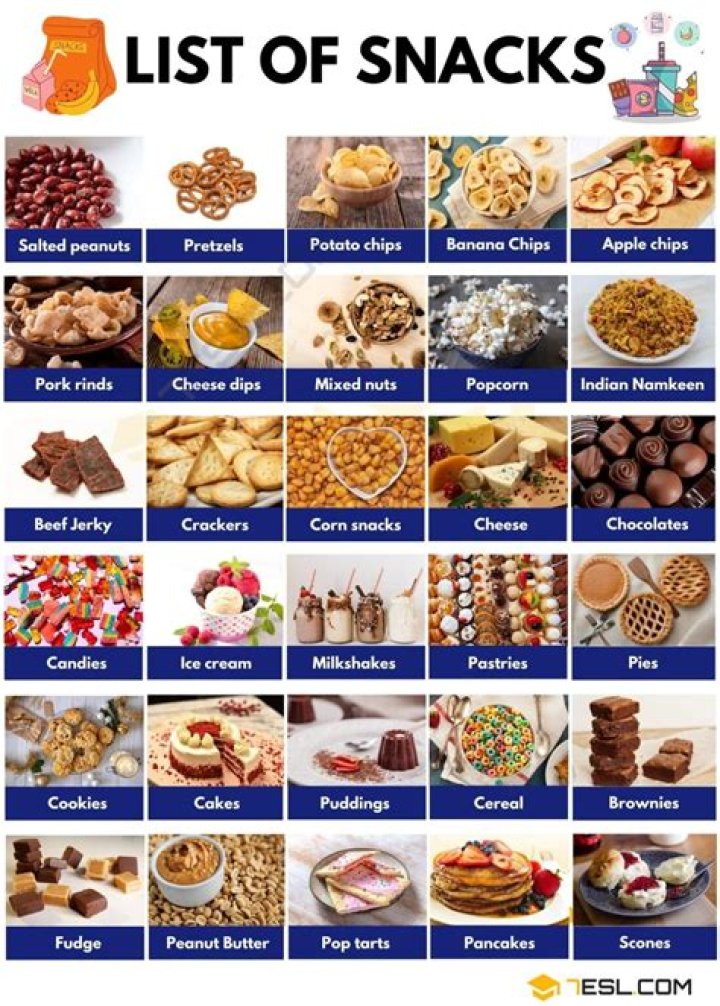
A convenience good is a consumer item that is widely available and purchased frequently with minimal effort. Convenience goods, such as newspapers and candy, are different than specialty goods, such as cars, which are more expensive and often carry a greater opportunity cost for the consumer.
Why are convenience stores located where they are?
Convenience stores are placed in locations that are convenient for local customers. They are a natural destination point for the neighborhood in which they are located. If someone requires a couple of items that doesn’t justify a trip to the local grocery store, then a trip to the convenience store down the street makes more sense.
Why are new stores good for the community?
Consumers favorable to new stores cited positive economic effects, such as more competition for local businesses and more jobs, while others say they could use another store closer to their homes for greater convenience.
How much money does a convenience store make?
Convenience stores also go by a number of different names. They may be referred to as corner shops, party stores, corner stores, or c-stores. In 2011, convenience stores reached a record $195 billion in total sales. When combined with motor fuel sales, U.S.-based convenience stores are responsible for about 5% of all dollars in the GDP.
Why do convenience stores sell so much gas?
If the convenience store sells gas, you’re subsidizing gas sales. The idea is that, as long as you’re there getting gas, you might as well take another minute and grab that coffee, snack, or loaf of bread rather than make a longer stop at a grocery store.
Why are convenience stores important to the community?
It provides an economic boost to the community. Convenience stores have stable revenue streams because of the nature of their business. People stop by these stores because they are convenient, having what they need to get through their day.
Why are convenience foods so expensive to buy?
Financial resources also play an important role in convenience food choices. Convenience foods from fast-food or full-service restaurants tend to be more expensive than those bought from grocery stores.
Which is better convenience store or grocery store?
If someone requires a couple of items that doesn’t justify a trip to the local grocery store, then a trip to the convenience store down the street makes more sense. Although the prices at a convenience store tend to be a little higher, customers spend less to get there, which creates a pricing balance.
Is the closest food source to you a convenience store?
And chances are the closest food source to you is a convenience store, unless you live on a farm, grow food in your living room, or live in a supermarket. In fact, for many locations such as low income urban neighborhoods that are food deserts (one “s,” not two), convenience stores are the only available and accessible food sources.